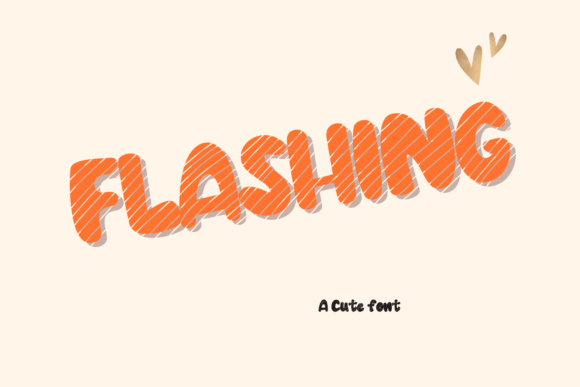
Flashing: A Versatile Font for Elegant Design
Flashing is more than just a font; it's a design element that brings elegance and class to any project. Its unique style makes it ideal for a wide range of applications, from logos and wedding designs to social media posts and product packaging. Understanding how to use Flashing effectively can enhance your creative workflow and improve the visual appeal of your work.
When considering the integration of Flashing into your design process, it's important to think about where it fits best. Whether you're starting a new project or refining an existing one, Flashing can serve as a valuable tool in your design arsenal. Its versatility allows it to adapt to various needs, making it a go-to choice for many designers and creators.
Understanding Flashing in the Design Process
Flashing is a typeface known for its playful yet sophisticated look. It combines the charm of handwritten fonts with the clarity of digital typography. This combination makes it suitable for both casual and formal settings. When planning your design projects, consider how Flashing can complement other elements such as images, colors, and layouts.
Incorporating Flashing into your workflow requires careful consideration of context. For instance, if you're designing a logo, Flashing can add a personal touch that reflects the brand's identity. In contrast, when creating a product label, it might be used to highlight key information or create a sense of urgency.
Before using Flashing, it's essential to understand the requirements of your project. Are you aiming for a modern look or something more traditional? Does your audience expect a certain level of formality? These questions can guide your decision on whether Flashing is the right choice for your design.
Using Flashing in Different Stages of a Project
Flashing can be utilized at various stages of a project, depending on your goals. During the initial planning phase, it can help visualize how text will appear in different contexts. This early use allows you to make adjustments before finalizing your design.
During the execution phase, Flashing can be applied to specific elements such as headings, captions, or call-to-action buttons. Its readability ensures that your message remains clear while maintaining an aesthetic appeal. For example, in social media posts, Flashing can draw attention to key points without overwhelming the viewer.
After completing a project, Flashing can still play a role in quality control. Reviewing your work with Flashing applied can help identify any inconsistencies or areas for improvement. This step ensures that your final output meets your standards and resonates with your target audience.
Integration with Other Tools and Resources
Flashing works well with other design tools and resources. When using graphic design software like Adobe Photoshop or Illustrator, Flashing can be easily integrated into your projects. These programs often have built-in font libraries that include Flashing, allowing for seamless application.
Additionally, Flashing can complement other design elements such as icons, illustrations, and color schemes. By aligning these components, you can create a cohesive visual identity that enhances the overall impact of your work. For instance, pairing Flashing with a minimalist layout can create a balanced and professional look.
Collaboration with other designers or team members can also benefit from the use of Flashing. Sharing design files that incorporate Flashing ensures consistency across projects and facilitates feedback. This collaborative approach can lead to more refined and effective outcomes.
Practical Implementation Tips
To effectively implement Flashing in your workflow, start by experimenting with different sizes and weights. Adjusting these parameters can significantly affect how the font appears in various contexts. Testing Flashing in multiple formats, such as print and digital, can help you determine its optimal use.
Another tip is to maintain consistency across all design elements. If you're using Flashing for headings, ensure that it's used uniformly throughout your project. This consistency reinforces your brand's identity and improves the user experience.
When working on large-scale projects, consider organizing your design assets. Creating a style guide that includes Flashing can streamline the design process and reduce errors. This guide can also serve as a reference for future projects, ensuring that your use of Flashing remains effective and aligned with your goals.
Observations on Long-Term Use
Over time, the effectiveness of Flashing may vary depending on trends and audience preferences. Staying informed about design trends can help you adapt your use of Flashing to remain relevant. Regularly reviewing your designs with Flashing can reveal opportunities for improvement and innovation.
Additionally, considering accessibility is crucial when using Flashing. Ensuring that the font is readable for all users, including those with visual impairments, can broaden your audience and enhance your design's impact. Testing Flashing in different environments can help identify any potential issues.
Finally, documenting your experiences with Flashing can provide valuable insights for future projects. Keeping a record of what worked well and what didn't can inform your decisions and improve your overall design process. This reflection can also serve as a resource for others who may be exploring the use of Flashing in their work.
Conclusion: Embracing Flashing in Your Design Journey
Flashing offers a unique blend of style and functionality that can elevate your design projects. By understanding its capabilities and integrating it thoughtfully into your workflow, you can achieve visually appealing results that resonate with your audience. Whether you're a professional designer or a hobbyist, Flashing provides a versatile solution for a variety of design needs.
As you continue to explore the use of Flashing, remember to prioritize practicality and aesthetics. Balancing these elements will ensure that your designs not only look good but also serve their intended purpose effectively. With careful planning and implementation, Flashing can become an essential part of your creative toolkit.