Decorative Round Box Laser Cut SVG Files: A Practical Guide for Creators and Entrepreneurs
If you're looking to add a touch of elegance and precision to your projects, Decorative Round Box Laser Cut SVG Files could be exactly what you need. These files are designed for creating beautifully crafted boxes using laser cutting technology, making them ideal for DIY enthusiasts, small business owners, and creative professionals. Whether you're crafting custom packaging, decorative items, or functional storage solutions, understanding how to use these files effectively can make a big difference in your results.
What Are Decorative Round Box Laser Cut SVG Files?
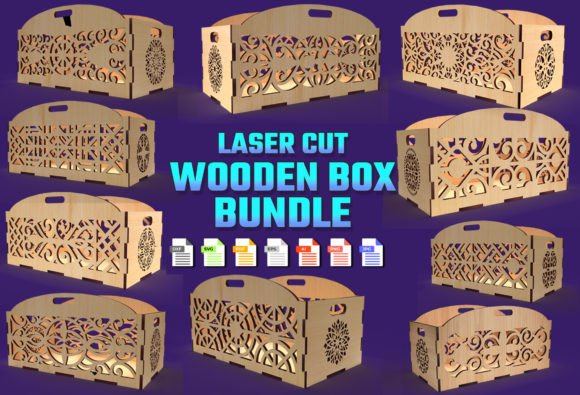
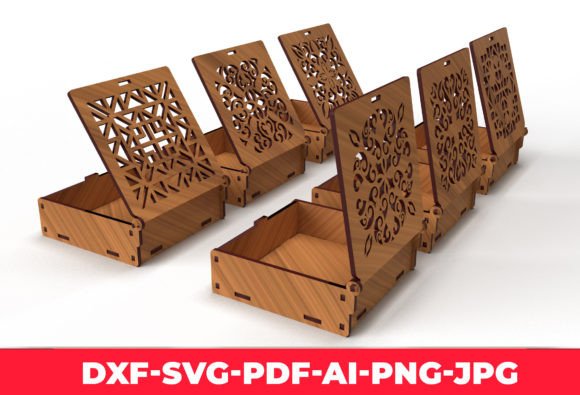
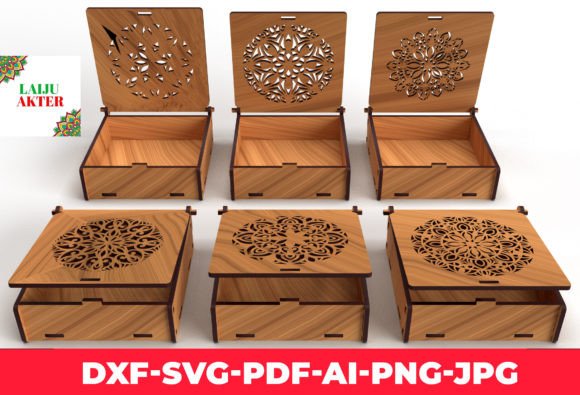
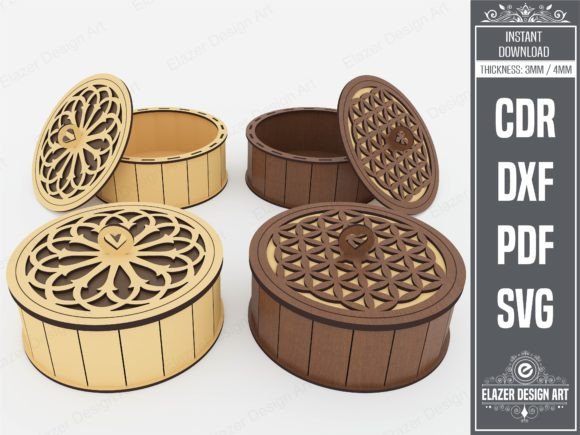
Decorative Round Box Laser Cut SVG Files are digital design templates that allow you to create round boxes with precise dimensions. The standard size is 180x180x70mm (7x7x2.7 inches), suitable for materials like 3mm or 4mm thick wood, acrylic, or other laser-cuttable materials. These files come in multiple formats including CDR, DXF, PDF, SVG, and more, giving you flexibility in how you use them across different design and manufacturing software.
The designs often include intricate patterns, cutouts, and structural elements that enhance the visual appeal of the final product. They’re perfect for those who want to streamline their workflow while maintaining high-quality output.
Common Mistakes When Using Decorative Round Box Laser Cut SVG Files
Despite their usefulness, there are several common mistakes that users may encounter when working with these files. One of the most frequent errors is not checking the material thickness compatibility. If you choose a file designed for 3mm material but use 4mm stock, the fit and finish may suffer, leading to gaps, misalignment, or even structural weakness.
Another mistake is overlooking the importance of file format. While SVG is great for scalability, some laser cutters or design software may require specific formats like DXF or CDR. Failing to convert or adjust the file correctly can result in poor cuts or wasted time.
Additionally, many users neglect to verify the scale and proportions of the design before cutting. Even a slight miscalculation can lead to an ill-fitting box, which can be frustrating and costly if materials are already purchased.
How These Mistakes Affect Your Project
Using incompatible materials or incorrect file formats can lead to inefficient workflows, increased costs, and unsatisfactory results. For example, if you cut a box that doesn’t fit properly, you might have to redo the entire project, which wastes both time and resources.
Moreover, poor attention to detail during the design phase can impact the overall presentation of your product. A poorly constructed box may not look professional, especially if it’s intended for sale or client work. This can affect customer satisfaction and your reputation as a creator or business owner.
Practical Advice for Avoiding Common Pitfalls
To avoid these issues, start by carefully reviewing the specifications provided with the Decorative Round Box Laser Cut SVG Files. Check the recommended material thickness and ensure your laser cutter is set up accordingly. If you're unsure, test the design on a small piece of material before committing to a full production run.
Also, take the time to understand the file formats available. If your software doesn’t support SVG, consider converting the file to a compatible format like DXF or PDF. Many online tools can help with this conversion without losing quality.
Before cutting, double-check the dimensions of the design. Use a ruler or measuring tool to confirm that the layout matches the intended size. This step can save you from a lot of frustration down the line.
Realistic Examples and Better Approaches
Imagine you're creating a custom gift box for a client. You download a Decorative Round Box Laser Cut SVG File, but you don't check the material thickness. When you cut the box, it doesn't close properly because the material is too thick. Instead of rushing into production, you could test the design on a sample piece of 3mm wood first. This small step can prevent costly errors and ensure the final product meets your client's expectations.
Another example is when you receive a file in SVG format, but your laser cutter requires DXF. Rather than trying to force the file into the machine, you can use a vector editing program to export the design in the correct format. This approach ensures accuracy and avoids unnecessary delays.
What to Check Before Making a Decision
Before purchasing or downloading Decorative Round Box Laser Cut SVG Files, make sure to review the following:
- Material Compatibility: Confirm that the file is designed for 3mm or 4mm material, depending on what you have available.
- File Formats: Ensure the file types provided match the software or machine you’ll be using.
- Design Quality: Look for clear, well-structured files with accurate measurements and cut lines.
- Customer Reviews: Check feedback from other users to gauge the reliability and usability of the files.
- Support and Documentation: Some providers offer tutorials or guides that can help you get started more easily.
Conclusion: Make Informed Choices for Better Results
Decorative Round Box Laser Cut SVG Files offer a powerful way to bring your creative ideas to life. However, success depends on careful planning, attention to detail, and a willingness to learn from common mistakes. By taking the time to verify compatibility, understand file formats, and test your designs, you can avoid costly errors and achieve professional-quality results every time.
Whether you're a beginner or an experienced maker, the right approach to using these files can transform your projects and elevate your craftsmanship. With the right knowledge and preparation, you'll be well on your way to creating beautiful, functional, and visually striking round boxes that stand out from the crowd.